Tracing How Independent Labs Certify Game Integrity Across State-Licensed Platforms
Drew Vogel · May 21, 2026
Tracing How Independent Labs Certify Game Integrity Across State-Licensed Platforms
Independent laboratories play a central role in verifying that games on state-licensed platforms meet fairness and randomness standards before operators can offer them to players, and this process continues to evolve as more states expand their regulated markets. In May 2026 several jurisdictions updated their testing protocols to align with newer software architectures used by multi-state operators, which has required labs to expand their simulation capabilities for live dealer streams and progressive jackpot systems.
The Core Testing Framework
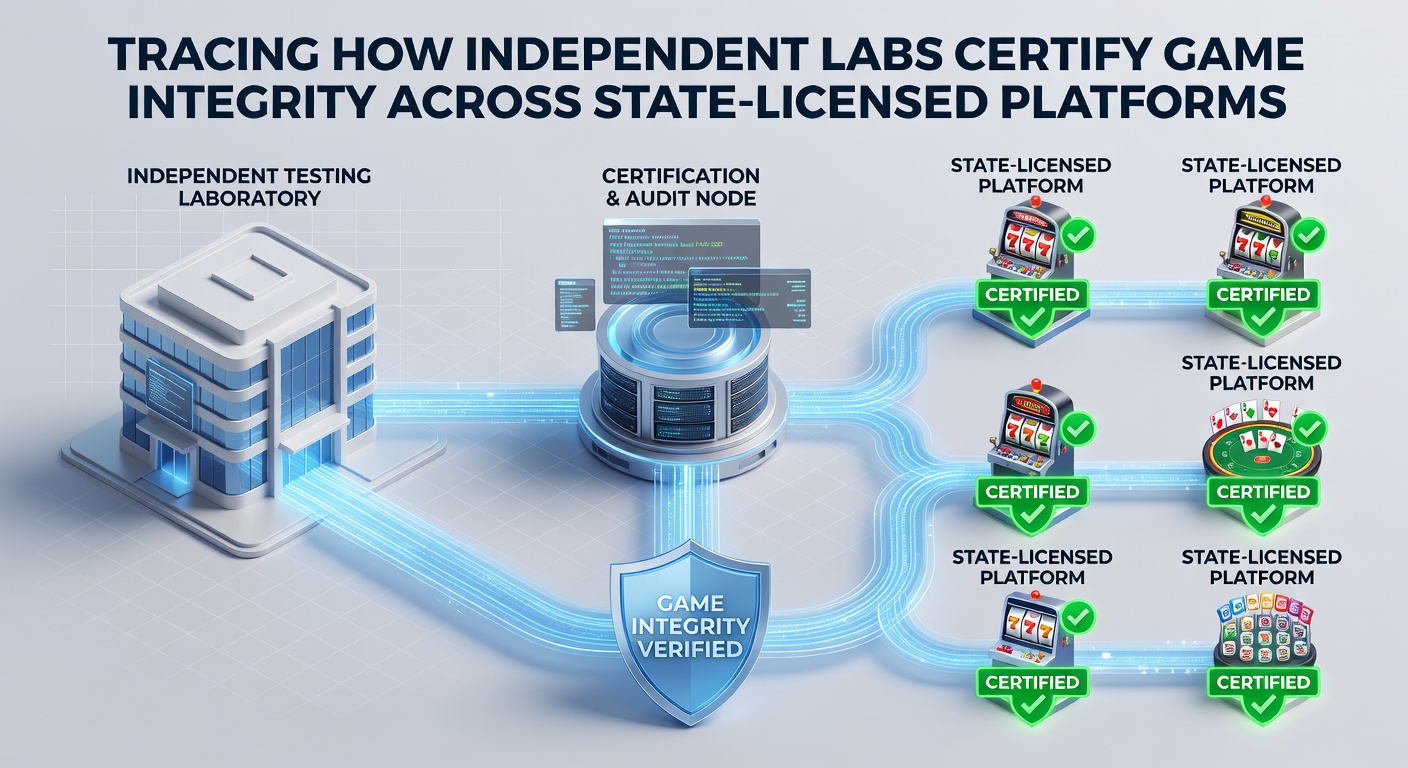
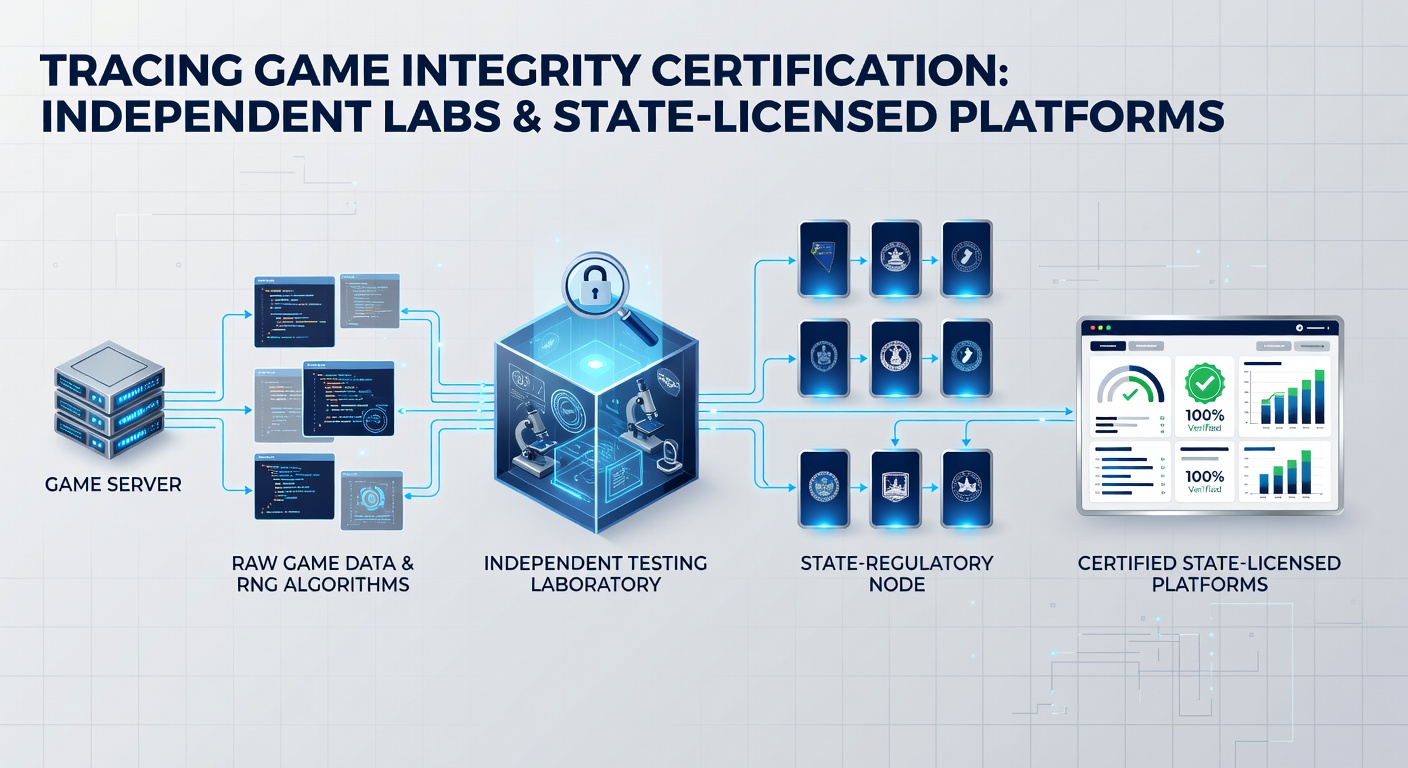
Labs receive game software packages directly from developers along with source code and mathematical models that define payout percentages, and technicians then run thousands of simulated spins or hands to confirm that random number generators produce outcomes within accepted statistical ranges. Data from these runs gets compared against theoretical return-to-player figures submitted by the provider, after which any deviation triggers a full code review and retesting cycle that can last several weeks depending on game complexity.
State regulators specify which labs hold active accreditation for their jurisdiction, creating a layered approval system where a game must clear both the lab evaluation and the commission's final sign-off before it appears on licensed sites. This dual-gate approach helps maintain consistency across different platforms even when operators serve players in multiple states simultaneously.
Regional Variations in Certification Requirements
States such as New Jersey and Pennsylvania maintain detailed technical standards that mandate specific entropy sources for RNGs and require periodic re-certification every twelve months, whereas Michigan and West Virginia have adopted slightly different reporting formats that emphasize real-time monitoring feeds from live casinos. Observers note that these differences reflect each commission's enforcement priorities rather than fundamental disagreements about what constitutes fair play.
Operators working across state lines therefore maintain separate certification files for each jurisdiction, and they must notify labs whenever a game receives even minor updates such as new bonus features or adjusted jackpot triggers. The notification process triggers a targeted regression test instead of a complete re-evaluation, which reduces downtime while still preserving the integrity of the original approval.
Key Laboratories and Their Roles
Gaming Laboratories International remains one of the most frequently referenced testing bodies for North American markets, handling both land-based and online game submissions across dozens of state and tribal jurisdictions. BMM Testlabs provides comparable services with a growing emphasis on mobile platform compatibility, while smaller regional labs focus on niche areas such as skill-based gaming elements that blend traditional RNG mechanics with player decision trees.
Each lab maintains its own internal quality management system audited annually by independent assessors, and the results of those audits get shared with state regulators to confirm ongoing competence. This meta-layer of oversight ensures that the certifiers themselves remain accountable even as gaming technology advances.
Data Reporting and Ongoing Monitoring
After initial certification, labs often supply operators with standardized reporting templates that track game performance metrics in production environments, and these reports feed directly into state regulatory dashboards for continuous review. Figures from the first quarter of 2026 showed that re-testing requests increased by approximately eighteen percent compared with the same period in 2025, driven largely by the rollout of new live dealer variants that incorporate player-facing camera feeds and side-bet options.
Regulators in New Jersey have begun requiring labs to include latency measurements for remote dealer streams as part of the fairness package, while commissions in other states continue to evaluate whether similar metrics should become mandatory. The variation underscores how certification practices adapt to the specific technical concerns of each marketplace.
Conclusion
The network of independent labs, state regulators, and platform operators forms a verification chain that supports game integrity across licensed environments, and continued protocol updates in 2026 reflect the ongoing effort to keep testing methods aligned with evolving game designs. This structure allows states to enforce consistent standards while accommodating the operational realities of multi-jurisdictional operators who must satisfy several different approval processes at once.