The Role of Geolocation Technology in Verifying Player Eligibility for Promotional Offers in US Markets
Rosa Klein · Jun 6, 2026
The Role of Geolocation Technology in Verifying Player Eligibility for Promotional Offers in US Markets
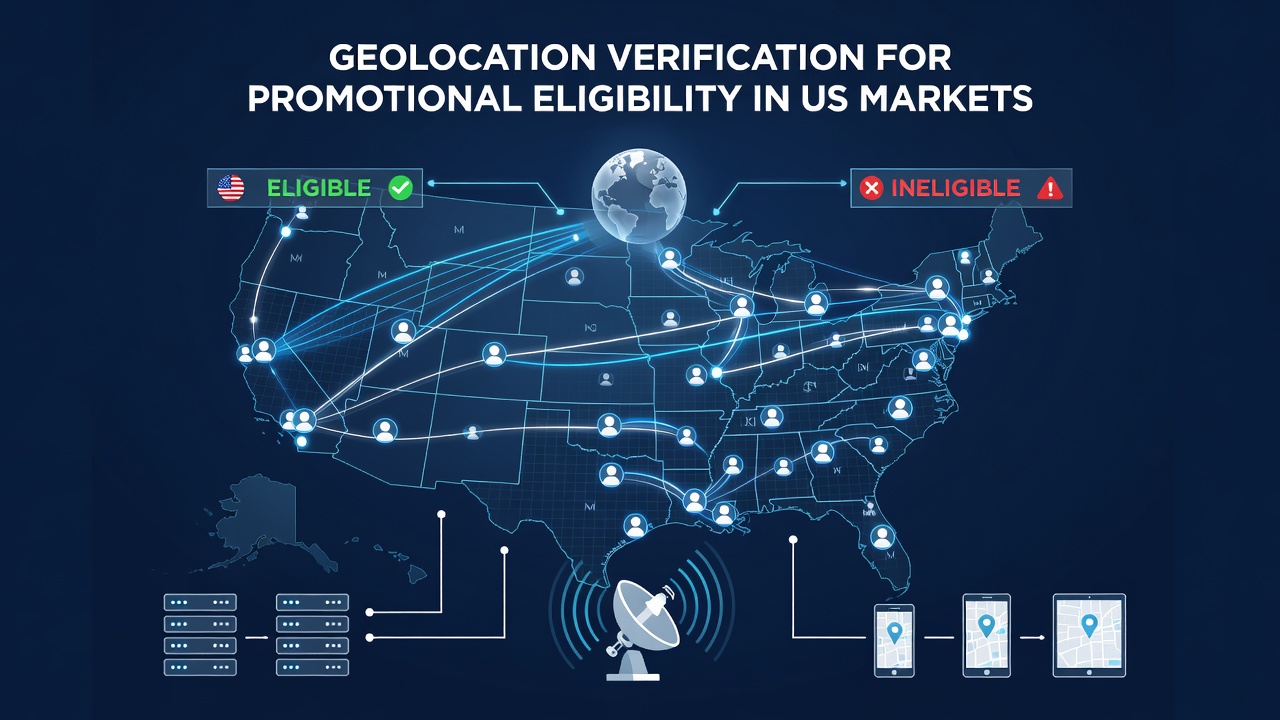
Geolocation technology has become essential for operators who must confirm that players accessing promotional offers sit within states where such incentives remain legal, and this verification process combines multiple data points including GPS coordinates, IP addresses, WiFi networks, and cellular tower signals to create accurate location profiles before any bonus credits activate.
State regulations dictate strict boundaries around promotional eligibility, so platforms in New Jersey, Pennsylvania, Michigan, and other regulated markets deploy these tools at the moment a user attempts to claim a deposit match or free spins package, which prevents cross-border access that could violate licensing terms.
How Geolocation Systems Operate in Practice
Systems begin with an initial IP check that narrows the user's approximate region, then layer in device GPS data when available while cross-referencing nearby WiFi networks and cell tower triangulation to achieve precision within a few hundred meters, and this multi-factor approach reduces false positives that might otherwise block legitimate players near state lines.
Operators integrate these checks into account registration flows as well as ongoing session monitoring, so a player who claims an offer in one location cannot later redeem additional credits after traveling outside the permitted area without triggering a new verification prompt.
Regulatory Requirements Across Key States
Each state gaming authority sets its own standards for location accuracy and audit frequency, which means platforms must adapt their geolocation thresholds to satisfy the strictest rules among the markets they serve, and data from the American Gaming Association shows that compliance reporting now includes detailed logs of every promotional claim attempt along with its verified coordinates.
Michigan and Pennsylvania have introduced additional requirements around real-time re-verification during active sessions, while New Jersey continues to emphasize post-claim audits that compare claimed locations against transaction timestamps, and these layered demands have pushed providers to refine algorithms that handle edge cases such as players on boats or near international borders.
Application to Promotional Offer Workflows
When a player selects a bonus, the platform pauses the claim process to run a full geolocation scan that must return a result inside the licensed state before the offer loads, and failed scans typically display a clear message directing users to contact support or try again from an approved location.
Seasonal promotions tied to specific events often carry tighter geographic restrictions than standard welcome bonuses, so operators apply dynamic rule sets that adjust verification sensitivity based on the offer type, and this flexibility allows marketing teams to run targeted campaigns without risking regulatory penalties.

Technical Challenges and Industry Responses
Border regions create recurring accuracy issues because GPS signals can drift across state lines within seconds, yet providers address this through configurable buffer zones that still comply with each regulator's maximum deviation limits, and June 2026 is expected to bring updated testing protocols from several state commissions that will standardize how these buffers are measured.
Users attempting to mask their location with VPNs encounter immediate blocks because the technology detects inconsistencies between reported IP data and device sensors, while legitimate travelers receive prompts to disable such services before proceeding with their claim.
Future Developments in Verification Standards
Industry reports indicate that integration with state databases will expand in the coming years, allowing operators to cross-check not only physical location but also player residency status against official records, and this shift aims to close remaining loopholes around temporary visitors who might otherwise access offers reserved for state residents.
Research from academic institutions tracking digital compliance tools has documented steady improvements in false rejection rates, which dropped noticeably after the introduction of hybrid satellite and terrestrial signal fusion methods in 2025, and these gains have encouraged more states to greenlight additional promotional formats that previously faced location verification hurdles.
Conclusion
Geolocation technology underpins the fair distribution of promotional offers by anchoring every claim to verified physical presence within authorized jurisdictions, and continued refinements in sensor fusion and regulatory alignment will likely sustain this role as US markets grow through 2026 and beyond.