State Boundary Protocols and Their Influence on Slot Volatility Disclosures in Interstate Gaming Apps
Willa Schmitt · Aug 4, 2026
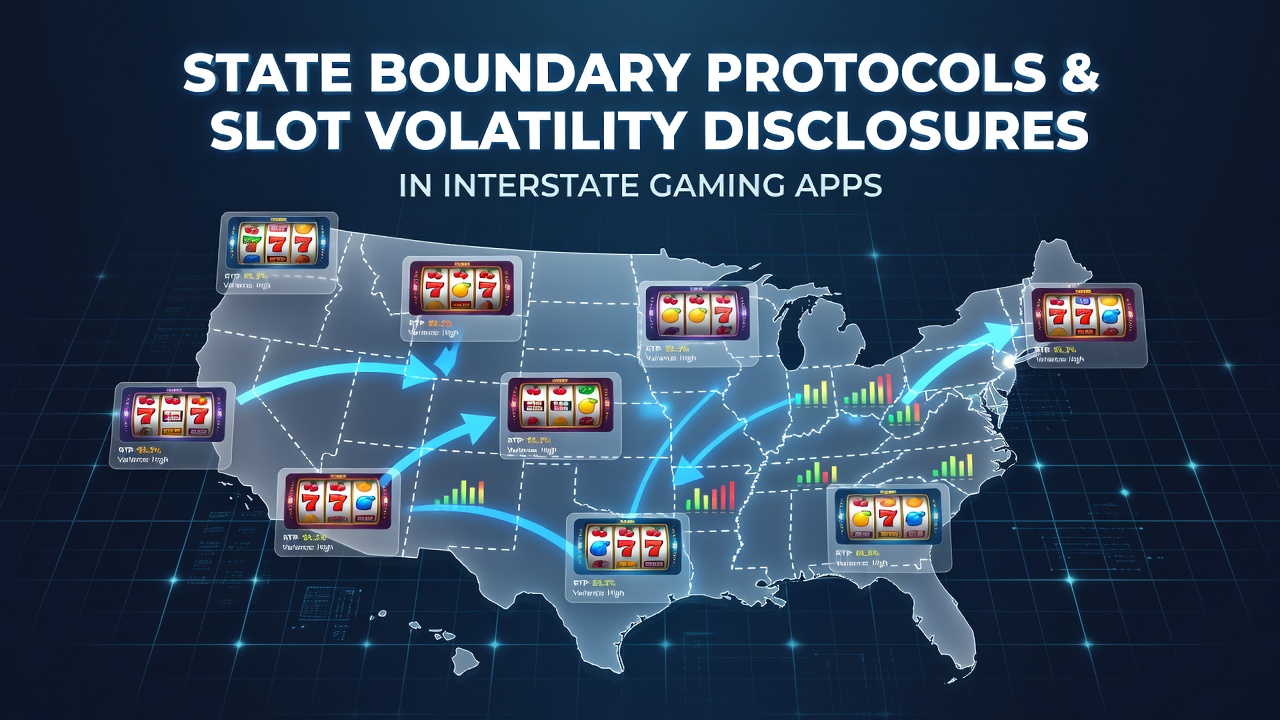
State Boundary Protocols and Their Influence on Slot Volatility Disclosures in Interstate Gaming Apps
State boundary protocols function as geolocation systems that enforce jurisdictional limits on gaming applications operating across multiple states, and these systems directly shape how slot volatility information reaches players in different regulatory zones. Interstate gaming apps rely on a combination of IP verification, GPS data, and device-level checks to confirm a user's location before loading game libraries or displaying mathematical details about slot performance. Volatility disclosures, which outline the frequency and size of potential payouts in slot titles, must align with the rules of the specific state where the player connects, creating layered requirements that developers address through dynamic content delivery.
Core Mechanics of Boundary Enforcement
Developers integrate boundary protocols early in the app architecture so that servers route traffic through state-specific filters, and these filters determine whether volatility statistics appear in the help menu or player information screens. Data from regulatory filings shows that apps serving users in New Jersey and Pennsylvania often adjust disclosure formats automatically when a session crosses from one state into another, while similar apps in Michigan maintain separate data sets for each jurisdiction. The process uses continuous location polling to prevent users from accessing features restricted in their current state, and this same polling triggers the loading of compliant volatility language that matches local standards.
Volatility Disclosure Standards Across Jurisdictions
Each state sets its own expectations for how much detail operators must provide about slot variance, and boundary protocols ensure that only the approved version reaches the user interface. In some markets, regulators require explicit statements about standard deviation ranges or hit frequency ranges, whereas others accept general RTP ranges without variance breakdowns. Interstate apps therefore maintain multiple versions of each slot's information panel, and the protocols select the correct version at login based on the detected state. Observers note that this approach prevents a single disclosure template from violating rules in any participating jurisdiction.
Technical Implementation in Cross-Border Applications
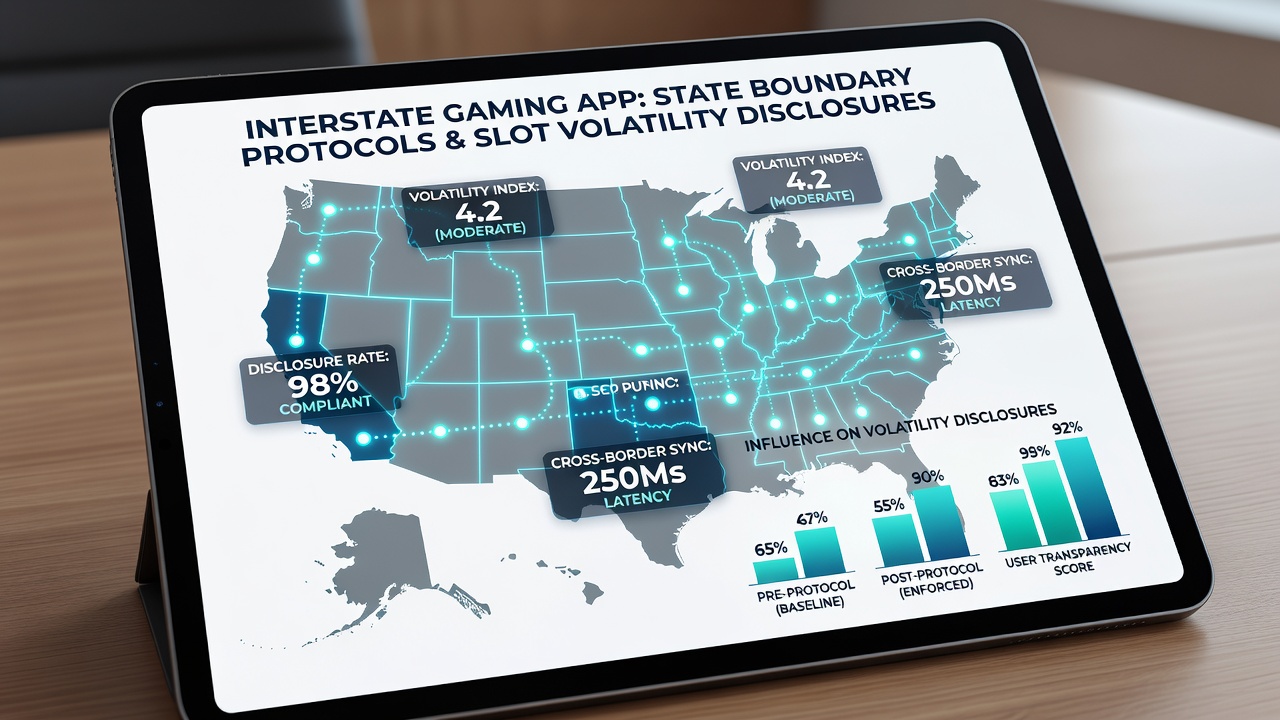
Engineers build state-aware modules into the app backend that reference updated regulatory databases, and these modules pull the appropriate volatility text when a player initiates a slot session. When a user travels between states during an active session, the protocol interrupts play and reloads the interface with the new state's required disclosures before resuming. Testing records from 2025 indicate that successful implementations reduce non-compliant displays to less than 0.2 percent of total sessions across the major interstate platforms. The same systems also handle promotional content tied to volatility, ensuring bonus explanations remain consistent with local guidelines.
Regulatory Updates Emerging in Mid-2026
By August 2026 several states had introduced revised guidelines that require more granular volatility reporting for newly certified titles, and boundary protocols adapted quickly to deliver these expanded disclosures only within the affected jurisdictions. Industry reports submitted to the Michigan Gaming Control Board detail how operators updated their location services to flag sessions originating near state borders and apply the stricter disclosure rules automatically. Similar adjustments appeared in platforms serving Nevada and New Jersey, where regulators now request variance data expressed in standardized intervals rather than narrative descriptions. These changes prompted developers to expand their content libraries so each slot carries at least three distinct disclosure sets ready for protocol selection.
Impact on Player Information Access
Players using interstate apps encounter volatility details that vary in depth depending on their detected location, and this variation stems directly from the boundary protocols that enforce compliance. A user in one state may see numerical ranges for payout swings while a user in an adjacent state receives only categorical labels such as low, medium, or high variance. Research compiled by the University of Montana's Gambling Management Institute indicates that consistent protocol application across state lines correlates with higher rates of accurate player understanding of game risk profiles. The systems also log each disclosure delivery for audit purposes, allowing regulators to verify that the correct version reached the intended audience.
Future Adjustments and System Scalability
Operators continue to refine boundary protocols to accommodate additional states entering the interstate market, and scalability testing focuses on reducing latency during the location verification and disclosure swap process. As more jurisdictions adopt specific volatility reporting templates, the number of content variants per game increases, yet the underlying architecture remains designed to handle these expansions without disrupting the user experience. Data aggregation from multiple state commissions shows steady growth in the number of certified interstate titles that include location-responsive disclosure features.
Conclusion
State boundary protocols maintain clear separation between regulatory environments while enabling seamless operation of interstate gaming apps, and their role in managing slot volatility disclosures continues to expand alongside new state requirements. The combination of precise geolocation and modular content delivery ensures that each player receives information aligned with the rules of their current jurisdiction, supporting both compliance and transparency across connected markets.