Navigating Interconnected Data Systems for Wagering Activity Across Licensed Platforms
Vera Ludwig · Aug 13, 2026
Navigating Interconnected Data Systems for Wagering Activity Across Licensed Platforms
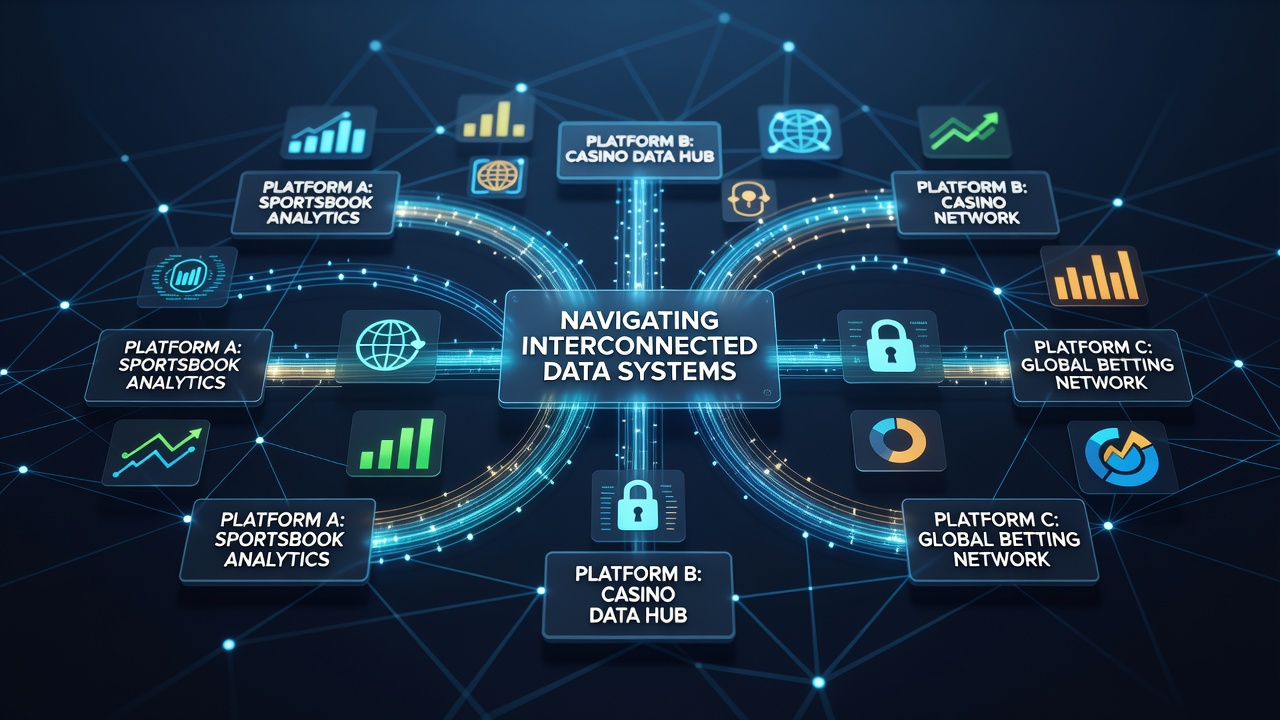
Interconnected data systems now form the backbone of wagering operations across licensed platforms in multiple jurisdictions, where operators track player activity, verify eligibility, and share compliance records in real time. These networks link state databases, casino management systems, and third-party verification services so that a single bet placed in one location updates records visible to regulators in others. As of August 2026 several states have expanded their data-sharing agreements, allowing platforms to exchange information on account status, deposit patterns, and responsible gaming flags without manual intervention.
Core Components of These Data Networks
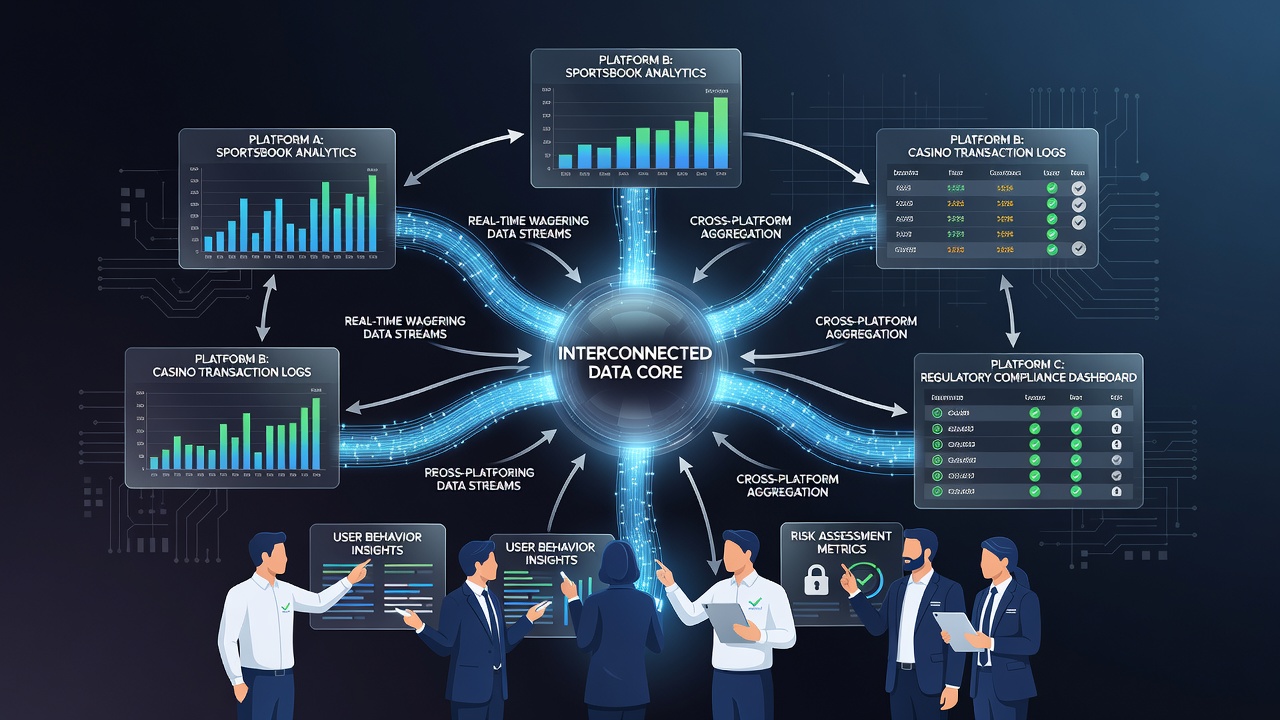
Modern systems rely on standardized APIs that connect player databases, transaction ledgers, and geolocation services. Each licensed platform maintains its own central server yet routes select data points through secure hubs operated by gaming control boards or approved vendors. Researchers at the University of Nevada, Las Vegas have documented how these hubs use encrypted channels to transmit hashed identifiers rather than full personal details, reducing exposure while still enabling cross-platform checks for self-exclusion lists and bonus abuse.
Transaction monitoring tools sit at the center of this setup. They pull live feeds from slot management software, sports betting engines, and table game tracking systems, then apply rule-based filters that flag unusual volume or velocity. When a pattern matches thresholds set by multiple states, the system automatically notifies the relevant commissions through the shared network rather than requiring separate reports from each operator.
Regulatory Drivers Behind Greater Connectivity
State legislatures have pushed for tighter integration because fragmented records once allowed problem gamblers to open accounts across borders before self-exclusion orders took effect. Data from the Nevada Gaming Control Board shows that after the 2024 multi-state data protocol went live, the average time to propagate a voluntary exclusion request dropped from 72 hours to under four. Similar frameworks now operate between New Jersey, Pennsylvania, and Michigan, with Ohio and Illinois scheduled to join the same exchange by late 2026.
These agreements also support tax reconciliation. Platforms no longer file separate revenue reports for each jurisdiction when a single player places wagers from different locations; instead the interconnected ledgers allocate taxable amounts automatically according to location stamps recorded at the moment of each bet.
Technical Challenges Operators Face Daily
Latency remains a persistent issue even as bandwidth improves. A player attempting to place a live bet may experience brief delays while the system confirms that no exclusion flag exists in any connected jurisdiction. Developers address this by caching recent verification results locally and refreshing them every few minutes, yet sudden spikes in traffic during major sporting events can still overwhelm the shared hubs.
Data format mismatches create another layer of friction. One platform might record time zones in UTC while another uses local Eastern Time, forcing conversion layers that occasionally produce edge-case errors around daylight-saving transitions. Observers note that these small discrepancies have triggered false positives in velocity checks, prompting operators to invest in more robust timestamp normalization routines.
Security and Privacy Considerations
Encryption standards have tightened since 2023. Most networks now require AES-256 for data in transit and tokenization for stored identifiers. The Alcohol and Gaming Commission of Ontario published updated guidelines in early 2026 that mandate annual penetration testing of every shared endpoint, with results submitted to a central audit repository accessible to all participating regulators.
Player consent mechanisms have also evolved. Platforms must present clear opt-in language at registration that explains which jurisdictions will receive activity data and for what purposes. Once consent is recorded, the system logs the timestamp and version of the disclosure so that regulators can verify compliance during routine examinations.
Looking Ahead to Late 2026
Plans are underway to incorporate blockchain-based audit trails that would create immutable records of every data exchange. Pilot programs in two Midwestern states have already demonstrated reduced dispute resolution times when both operators and regulators can reference the same tamper-proof log. Meanwhile, machine-learning models trained on aggregated, anonymized datasets continue to improve detection of coordinated betting rings that span multiple platforms.
Conclusion
Interconnected data systems have moved from optional enhancement to operational necessity for any licensed platform handling wagering activity across state lines. The frameworks now in place deliver faster compliance checks, more accurate tax allocation, and stronger responsible-gaming enforcement while requiring operators to maintain rigorous security and consent standards. As additional jurisdictions adopt the same protocols through 2026 and beyond, the emphasis will remain on balancing real-time access with privacy protections that keep player information secure across every connected node.