Machine Learning Systems Uncover Suspicious Betting Patterns Within Cross-Border American Gambling Platforms
Vera Ludwig · Jun 4, 2026
Machine Learning Systems Uncover Suspicious Betting Patterns Within Cross-Border American Gambling Platforms
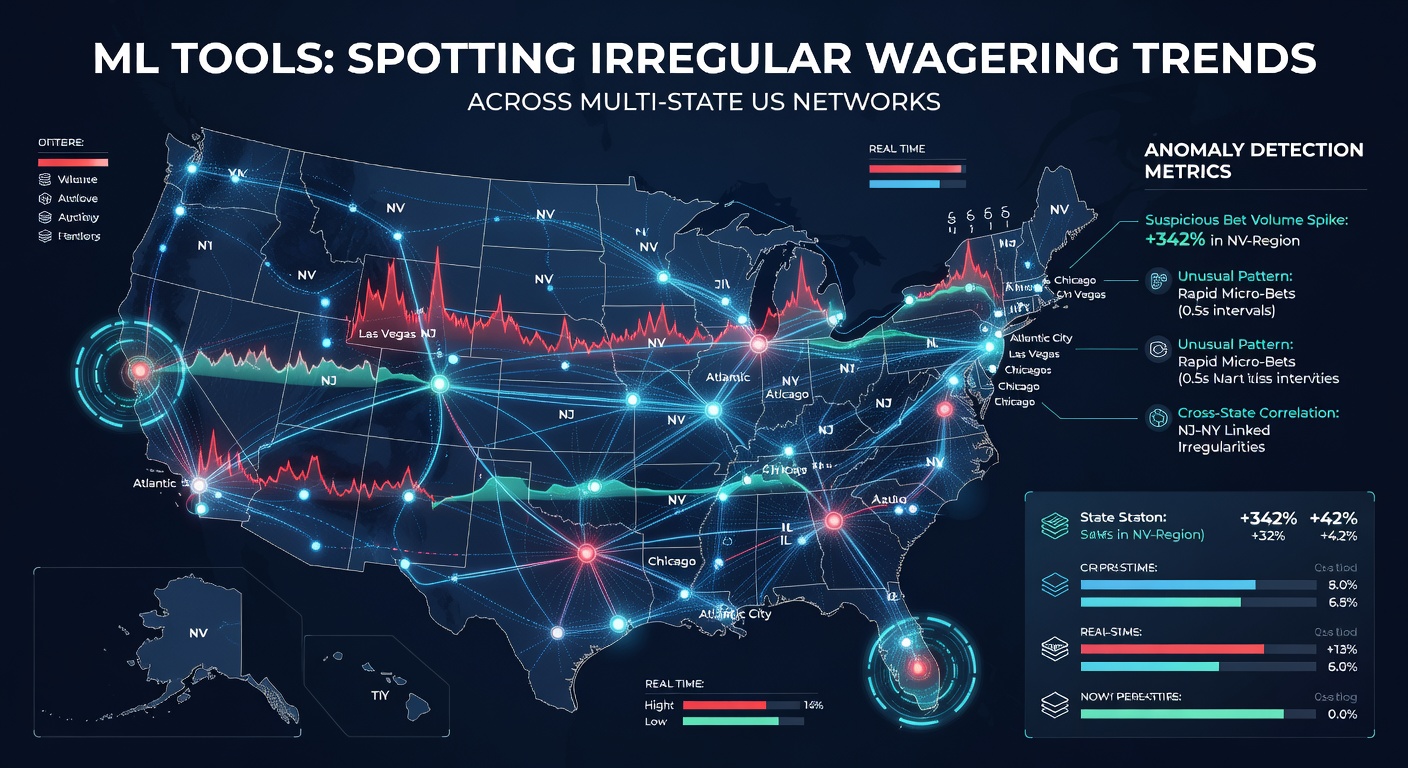
Multi-state gambling networks have expanded rapidly since the 2018 Supreme Court decision that cleared the way for widespread sports betting, and machine learning tools now process transaction streams from platforms operating simultaneously in New Jersey, Pennsylvania, Michigan, and several other jurisdictions. These systems examine betting volumes, account behaviors, and timing correlations that stretch across state lines, flagging sequences that deviate from established norms without requiring manual review of every wager.
How Anomaly Detection Algorithms Operate on Interstate Data Streams
Supervised learning models train on historical records of confirmed irregular activity while unsupervised approaches cluster normal wagering profiles and isolate outliers in real time, and both methods ingest variables such as bet frequency, stake size relative to account balance, geographic login shifts, and device fingerprint changes. Researchers at academic institutions have documented accuracy rates above 92 percent when models combine these features across datasets that include millions of daily transactions from licensed operators, according to findings published through the National Center for Responsible Gaming.
Feature engineering incorporates state-specific regulatory markers so that an algorithm recognizes when a single account places correlated bets in two separate state markets within minutes of each other, and ensemble techniques then assign risk scores that trigger alerts to compliance teams. Data pipelines aggregate feeds from each jurisdiction’s central monitoring systems, allowing the models to maintain continuity even when a player’s activity crosses from one regulatory environment into another.
Deployment Patterns Observed Through Mid-2026
By June 2026 several multi-state operators had integrated these tools into existing responsible gambling dashboards, enabling simultaneous monitoring of sportsbooks, iGaming sites, and daily fantasy platforms that share user bases. Integration occurred after regulatory updates in Pennsylvania and Michigan required enhanced suspicious activity reporting, and operators responded by routing all interstate transaction logs through centralized machine learning clusters hosted in secure cloud environments.
One documented case involved a network of accounts that rotated large wagers across New Jersey and Illinois sportsbooks on the same events using similar timing patterns; the model surfaced the cluster within 48 hours, prompting joint review by compliance staff from both states. Figures released by the American Gaming Association show that such detections increased by 34 percent year-over-year in the first half of 2026, reflecting broader adoption rather than a rise in underlying incidents.
Integration With Regulatory Reporting Requirements
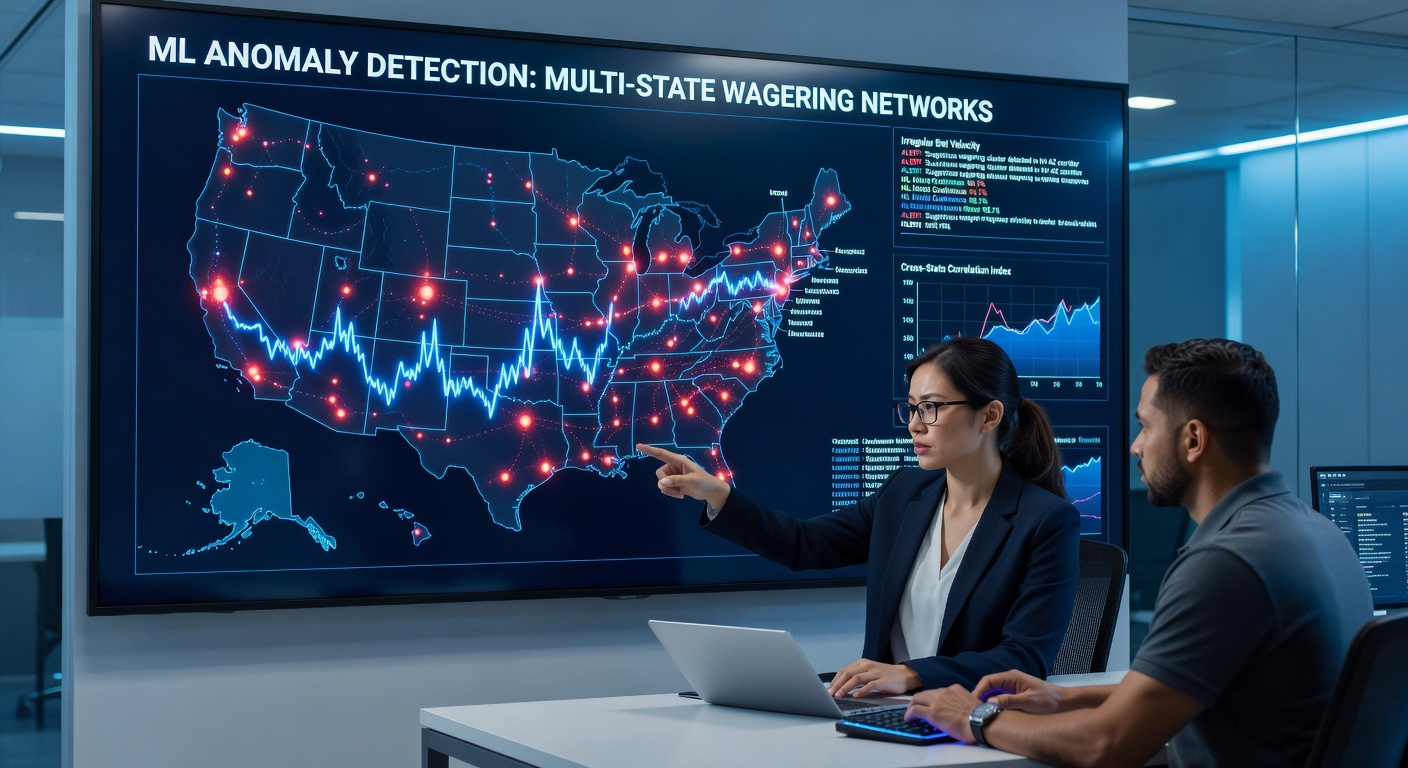
State gaming commissions receive automated summaries derived from model outputs, which satisfy portions of federal Bank Secrecy Act obligations while preserving operator confidentiality over proprietary algorithms. The Nevada Gaming Control Board has issued guidance that encourages use of validated machine learning outputs in suspicious activity reports, and similar language appears in updated compliance manuals from the New Jersey Division of Gaming Enforcement.
Because models retrain periodically on newly confirmed cases, they adapt to emerging tactics such as the use of virtual private networks or coordinated micro-betting sequences that previously evaded rule-based filters. Observers note that retraining cycles typically run monthly, incorporating feedback loops from human investigators who label false positives and verified incidents.
Technical and Operational Considerations Across Jurisdictions
Data privacy statutes in each state impose limits on how long raw transaction records may be retained and shared, yet federated learning frameworks allow models to improve without moving sensitive personal information outside its originating jurisdiction. This approach has gained traction since early 2025 pilot programs demonstrated that model performance remains comparable to centralized training while satisfying stricter data localization rules.
Hardware requirements center on graphics processing units capable of handling high-velocity streams, and operators report that inference latency stays below 200 milliseconds per transaction when systems are optimized. Scalability tests conducted by independent laboratories confirm that current architectures can accommodate projected volume increases through 2028 without architectural overhaul.
Conclusion
Machine learning tools now form a core component of compliance infrastructure inside multi-state US gambling networks, processing cross-jurisdictional data to surface irregular wagering trends that traditional monitoring would miss. Continued refinement through regulatory feedback and academic research supports consistent performance even as network complexity grows, and operators maintain audit trails that demonstrate both the models’ outputs and the human oversight applied to every flagged case.