How Tribal Sovereignty Agreements Reshape Slot Payout Structures in Expanding US Digital Markets
Jonas Lorenz · Jul 30, 2026
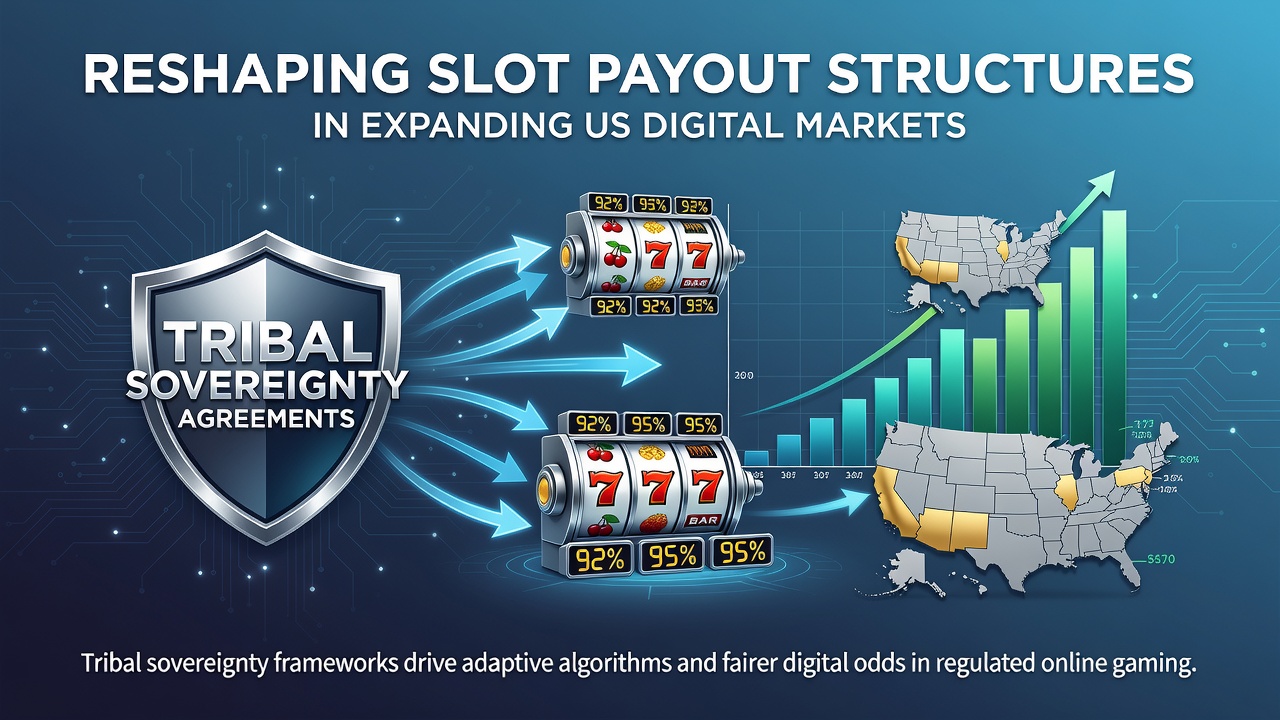
How Tribal Sovereignty Agreements Reshape Slot Payout Structures in Expanding US Digital Markets
Native American tribes exercise sovereign authority over gaming operations through negotiated compacts with states, and these agreements directly influence slot payout percentages in online platforms as digital markets grow. Data from the National Indian Gaming Commission shows tribal gaming revenue reached $41.2 billion in fiscal year 2025, with several tribes now extending operations into mobile slots via new digital compacts.
Observers note that sovereignty allows tribes to set internal standards for return-to-player rates that sometimes diverge from commercial casino benchmarks. In states where tribes hold exclusive rights to certain gaming forms, these agreements include specific clauses on minimum payout thresholds and audit procedures that apply equally to land-based and digital environments.
Compact Structures and Payout Authority
State-tribal compacts typically outline revenue sharing, regulatory oversight, and technical standards for games, yet the degree of control over slot mechanics varies by jurisdiction. Tribes in California and Oklahoma, for instance, have incorporated provisions that permit them to adjust payout schedules within ranges approved by their own gaming commissions rather than state lottery boards. This flexibility stems from federal recognition of tribal sovereignty under the Indian Gaming Regulatory Act, which limits state interference once a compact receives approval.
Research from the Indian Gaming Association indicates that 28 tribes across six states had executed digital gaming amendments by early 2026. These amendments frequently address how online slot servers calculate and report theoretical hold percentages, creating frameworks that differ from the standardized testing required of non-tribal operators in the same markets.
Digital Expansion Patterns Through July 2026
Expansion of mobile slot offerings tied to tribal compacts accelerated in the first half of 2026. Several agreements finalized in late 2025 took effect in July 2026, allowing participating tribes to launch branded online slot libraries accessible only within reservation boundaries or through geofenced state apps. Payout structures in these libraries reflect negotiated minimum return-to-player rates that range from 92 percent to 96 percent, depending on the compact language and game category.

Figures released by state gaming agencies reveal that tribal-operated digital slots in these new markets maintain average actual returns within 0.8 percentage points of their theoretical targets, a consistency attributed to internal tribal laboratory certifications that supplement external testing. Those certifications operate under tribal law and receive recognition through compact terms rather than direct state licensing.
Technical Standards and Revenue Allocation
Compacts often require tribes to allocate a portion of slot revenue to state education or regulatory funds, and these allocations sometimes tie directly to payout performance metrics. When actual returns exceed agreed-upon floors, additional revenue sharing may apply, creating financial incentives for tribes to calibrate game mathematics carefully. Independent verification reports submitted quarterly document both theoretical and actual figures for each title offered through tribal digital platforms.
One study conducted by researchers at Arizona State University examined payout data from 14 tribal online slot portfolios and found that sovereignty-based agreements produced a wider distribution of return-to-player values than observed in strictly state-regulated commercial environments. The variation arises because tribes can authorize game providers to submit titles for approval through tribal gaming offices that apply standards developed internally while still meeting federal and compact requirements.
Cross-Jurisdictional Comparisons
States without tribal gaming compacts rely on commercial operators subject to uniform state rules on slot testing and reporting. In contrast, tribal digital markets operating under sovereignty agreements demonstrate payout structures shaped by negotiation outcomes rather than legislative mandates alone. This distinction becomes visible in aggregate data when comparing average slot returns across tribal and non-tribal platforms within the same state borders.
Those monitoring industry reports note that tribes publishing quarterly slot performance summaries often list both minimum and maximum payout ranges permitted under their compacts, offering transparency that satisfies both tribal regulators and state partners. Such disclosures support ongoing compact compliance reviews scheduled at regular intervals.
Conclusion
Tribal sovereignty agreements continue to define distinct pathways for slot payout structures as US digital gaming markets expand. Through compact negotiations, tribes establish technical and financial parameters that integrate with state oversight while preserving internal authority over game mathematics. Data compiled through July 2026 shows measurable differences in payout flexibility and reporting practices between tribal and commercial digital operations, differences rooted in the legal status of the agreements themselves. These frameworks remain subject to periodic renegotiation as additional states authorize online gaming and as tribes pursue further digital extensions.