Decoding Multi-Provider Lobby Dynamics in America's Fragmented Gambling Landscape
Jonas Lorenz · Jul 11, 2026

Decoding Multi-Provider Lobby Dynamics in America's Fragmented Gambling Landscape
State-level variations define the American gambling sector, where providers ranging from tribal casinos to online sportsbooks navigate distinct regulatory environments across jurisdictions. This fragmentation creates complex lobbying interactions as operators seek favorable legislation while competing interests shape outcomes in legislative sessions.
Understanding Provider Categories and Their Positions
Commercial casino operators, tribal nations, online platform companies, and sports betting firms each maintain separate priorities that influence how they approach state lawmakers. Tribal operators often emphasize sovereignty protections under federal frameworks such as the Indian Gaming Regulatory Act, whereas commercial entities focus on tax structures and market access rules. Data from industry reports shows that spending on state-level advocacy increased notably between 2023 and 2025 in states considering expansion bills.
Observers note that online-only providers frequently form coalitions with payment processors and technology vendors to address issues like geolocation compliance and age verification standards. These alliances differ from those involving land-based venues, which prioritize physical expansion permits and table game approvals.
State-Specific Lobbying Patterns Emerging in 2026
By July 2026 several states had advanced or revised gaming proposals, prompting intensified activity from multiple provider groups. In midwestern legislatures, tribal representatives coordinated with commercial partners on revenue-sharing agreements that would allow limited online extensions while protecting existing brick-and-mortar markets. Meanwhile, independent sportsbook operators lobbied separately for reduced licensing fees in emerging markets.
Figures from state gaming commissions indicate that multi-provider coalitions succeeded in passing compromise measures in at least three jurisdictions during the first half of 2026. These measures typically included provisions for both retail and digital offerings, reflecting negotiated positions rather than single-provider dominance.
Coalition Building and Competitive Tensions
Providers form temporary coalitions when mutual interests align on broad policy goals such as tax rate stabilization or advertising guidelines. Yet competition resurfaces during debates over market exclusivity periods or restrictions on new entrants. Research from academic centers tracking campaign finance shows that contributions from different segments of the industry often target overlapping committees, creating layered influence networks.
One documented pattern involves tribal and commercial groups aligning against sweepstakes-style operators in states where legality remains contested. In contrast, online platforms have occasionally partnered with horse racing interests to support simulcast and advance deposit wagering frameworks that benefit both sectors.
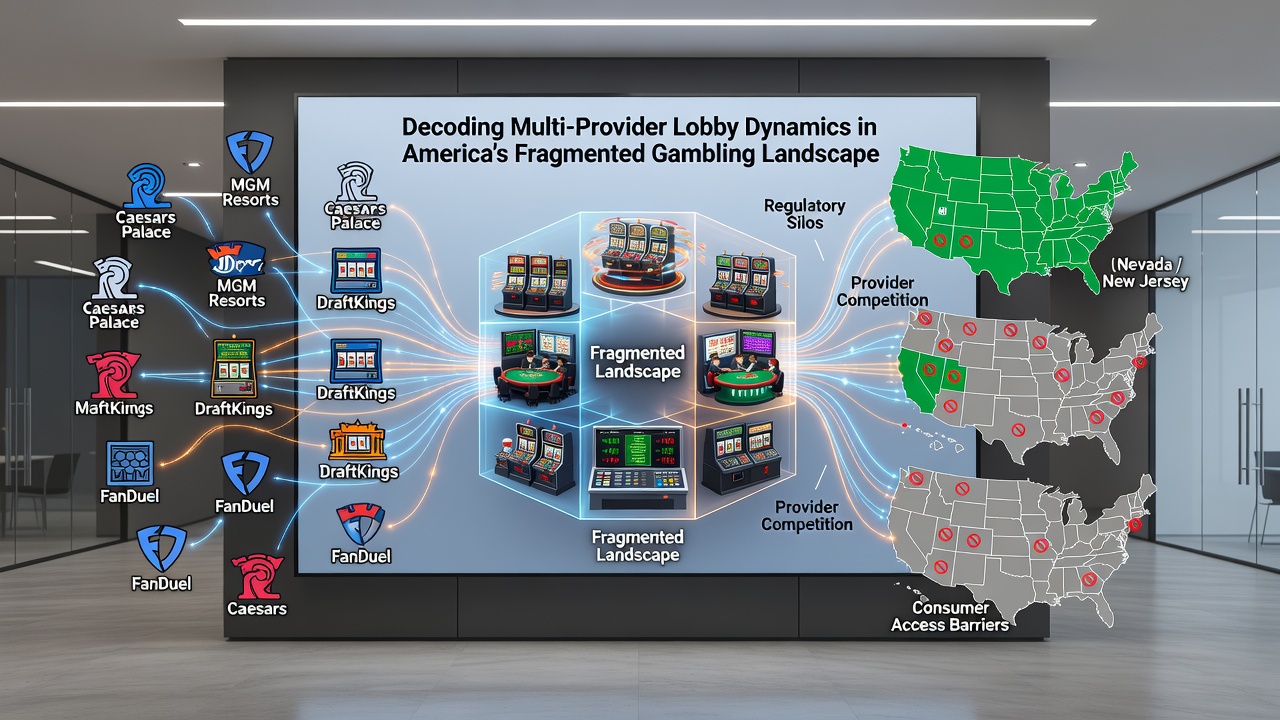
Data on Advocacy Spending and Regulatory Outcomes
According to filings tracked by the National Indian Gaming Commission and parallel state disclosure systems, tribal advocacy expenditures in key expansion states exceeded $12 million during the 2025-2026 cycle. Commercial casino associations reported comparable outlays focused on legislative education efforts around responsible gaming standards and infrastructure investments. These numbers reflect strategic allocation rather than uniform increases across all provider types.
What's interesting is how regulatory bodies in states like Pennsylvania and Michigan have adjusted hearing schedules to accommodate testimony from multiple factions simultaneously. This approach allows lawmakers to evaluate competing claims about job creation, tax yields, and consumer protections within single sessions.
Role of Industry Associations and External Research
Trade groups such as the American Gaming Association compile aggregated statistics that individual members reference during testimony. Academic studies from institutions examining cross-state policy diffusion provide additional context that both supports and challenges provider arguments. These sources help frame discussions around best practices without any single entity controlling the narrative.
External links appear in advocacy materials when providers cite data from the National Council on Problem Gambling or reports issued by university research centers studying economic impacts. Such references lend credibility to positions on funding allocations for treatment programs tied to expanded gaming.
Future Trajectories for Multi-Provider Interactions
Legislative calendars for late 2026 and 2027 include further consideration of iGaming frameworks in additional states. Observers expect continued coalition formation around issues like interstate compacts for player liquidity and standardized testing protocols for game integrity. Providers have already signaled willingness to engage in pre-session negotiations to reduce floor fights during voting periods.
Conclusion
The interplay among diverse gambling providers in America's state-driven regulatory system continues to evolve through targeted advocacy, selective partnerships, and data-driven presentations to lawmakers. As more jurisdictions evaluate expansion options, the dynamics between these groups will determine which regulatory models gain traction and how markets develop over the coming years.