Decoding Cross-State Data Sharing Protocols That Govern Player Exclusion Lists in Regulated Gambling Markets
Rosa Klein · Jun 27, 2026

Decoding Cross-State Data Sharing Protocols That Govern Player Exclusion Lists in Regulated Gambling Markets
Cross-state data sharing protocols form the backbone of player exclusion systems in regulated US gambling markets, allowing operators and regulators to enforce self-exclusion and involuntary bans across multiple jurisdictions simultaneously. These frameworks emerged from interstate compacts that standardize how exclusion records move between state databases while complying with varying privacy statutes and gaming control board rules. States such as New Jersey, Pennsylvania, and Michigan participate in these arrangements, where a player placed on one list triggers automatic flags in partner systems through encrypted data exchanges.
Core Mechanisms Behind Interstate Exclusion Data Transfers
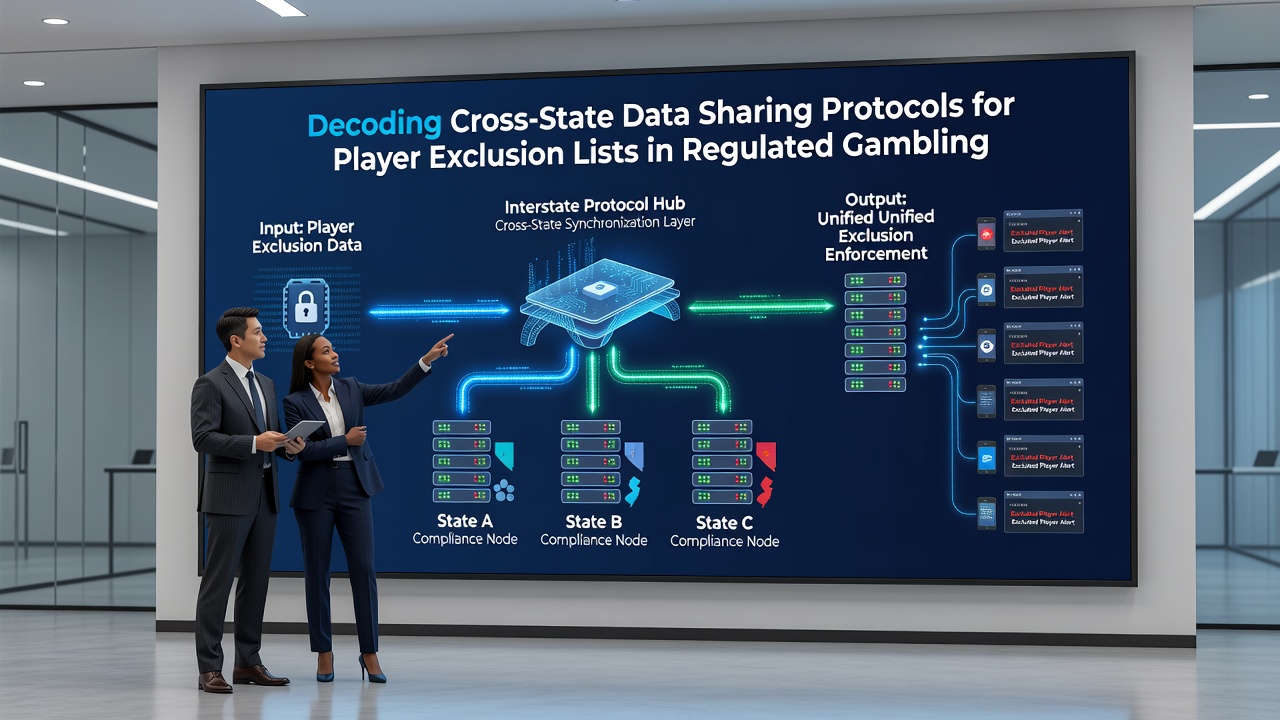
Protocols rely on secure application programming interfaces that transmit hashed player identifiers, exclusion durations, and violation histories without exposing full personal details during transit. Regulatory bodies mandate AES-256 encryption and role-based access controls so only authorized casino compliance teams receive alerts when a banned individual attempts registration or login. Data exchange occurs in real time, with nightly batch reconciliations that catch any synchronization gaps across state lines. Observers note that these systems reduce duplicate enrollments and close loopholes that previously allowed excluded players to migrate between markets undetected.
Legal Foundations and Compact Agreements
Interstate compacts ratified under the federal framework provide the legal authority for sharing exclusion data while respecting each state's sovereignty over its gaming regulations. These agreements specify retention periods, appeal processes, and data deletion timelines once exclusions expire. For instance, a five-year self-exclusion in one jurisdiction may automatically align with shorter or longer terms elsewhere depending on compact language. Figures from state gaming commissions reveal steady growth in cross-listed players since compact expansions began accelerating in 2023, with participation rates climbing further into 2026.
Technology Infrastructure Supporting Secure Sharing
Centralized adn federated database models coexist across different compacts. Some states route all queries through a shared hub managed by a neutral third-party vendor, while others employ peer-to-peer verification where each gaming control board maintains its own node. Tokenization replaces names and addresses with unique codes during transmission, and audit logs record every access event for post-incident reviews. Multi-factor authentication plus continuous monitoring by cybersecurity firms help maintain integrity against unauthorized queries. Research indicates these layered protections have kept breach incidents near zero in participating jurisdictions through mid-2026.
Operational Impact on Casinos and Players in June 2026
Operators must integrate compact-compliant APIs into their player management platforms, often updating legacy systems to handle real-time exclusion checks during account creation and deposit flows. Compliance teams receive automated notifications when a player on another state's list attempts access, triggering immediate account holds pending verification. Players benefit from unified enforcement that prevents accidental violations yet face longer cooling-off periods when moving between states. Data shows exclusion request volumes rose notably in the first half of 2026 as awareness campaigns expanded across compact member states.
Additional states explored joining existing compacts during June 2026 legislative sessions, with proposed amendments addressing emerging issues such as cryptocurrency wallet exclusions and esports betting platforms. These expansions require harmonizing data fields and consent language to avoid conflicts with consumer protection statutes. Industry associations track adoption metrics closely, noting that streamlined onboarding for new members typically takes nine to twelve months before full data integration activates.
Privacy Considerations and Regulatory Oversight
State attorneys general review compact operations annually to verify adherence to data minimization principles and individual rights under applicable privacy laws. Players retain rights to request copies of their records and challenge inaccurate entries through formal appeals channels available in each participating jurisdiction. Oversight committees comprising representatives from every compact member conduct periodic audits that examine query volumes, response times, and error rates. These reviews ensure protocols evolve alongside technological standards without compromising player confidentiality.
Future Protocol Enhancements on the Horizon
Discussions in 2026 center on incorporating machine learning models that detect patterns suggestive of exclusion circumvention attempts across state boundaries. Pilot programs test enhanced matching algorithms that account for name variations and address changes while maintaining low false-positive rates. Regulators also evaluate blockchain-based ledgers as supplementary audit trails that could provide immutable records of exclusion status changes. Any transition would require unanimous compact approval and extensive security testing before deployment.
Conclusion
Cross-state data sharing protocols continue to mature as more jurisdictions recognize the value of coordinated exclusion enforcement. Secure transmission standards, compact-based legal structures, and ongoing technological refinements together create a system that balances regulatory objectives with operational realities. As participation expands and new features undergo evaluation, these frameworks remain central to maintaining integrity across regulated gambling markets.